Cannabis Cultivation: Choosing the Right Strain for Your Grow
For commercial cannabis growers, moving beyond basic cultivation methods is essential to maximize yield, quality, and profitability. Advanced cultivation strategies combine technology, precise environmental control, and innovative growing techniques to optimize plant health and meet increasing market demands. Whether operating an indoor facility or a greenhouse, commercial growers benefit significantly from adopting these progressive approaches.
One critical strategy is implementing state-of-the-art environmental control systems. Precise regulation of temperature, humidity, CO2 levels, and lighting plays a vital role in promoting vigorous growth and consistent cannabinoid profiles. Automated climate control systems allow growers to maintain ideal conditions tailored to each growth stage, reducing stress on plants and minimizing energy costs. Supplemental CO2 enrichment further accelerates photosynthesis, leading to faster growth and bigger yields.
Another key approach is utilizing advanced lighting technologies such as full-spectrum LED grow lights. Unlike traditional high-pressure sodium or metal halide lamps, modern LEDs offer energy efficiency, longer lifespan, and the ability to customize light spectra. This customization supports specific growth phases, improves cannabinoid and terpene production, and helps control plant morphology. Light schedules can be precisely programmed to simulate natural photoperiods, enhancing flowering and harvest timing.
Precision irrigation and nutrient management also distinguish advanced cultivation operations. Automated drip irrigation systems ensure consistent water delivery while preventing overwatering and reducing waste. Coupling irrigation with real-time soil moisture sensors and environmental data enables precise adjustments based on plant needs. Nutrient formulas can be tailored to individual strains or growth stages, optimizing uptake and minimizing deficiencies or toxicities. Some growers employ hydroponics or aeroponics to further enhance nutrient absorption and growth rates.
Integrated pest management (IPM) is another vital element. Commercial growers often face higher risks of pest outbreaks due to larger crop sizes and dense plant canopies. Advanced IPM combines regular monitoring, biological controls like beneficial insects, and environmentally friendly pesticides to manage pests sustainably. Preventative measures such as maintaining clean facilities and quarantine protocols reduce the chance of infestations that could damage crops and cause costly losses.
Genetic selection and propagation methods have also advanced significantly. Commercial growers increasingly rely on high-quality, stable genetics from reputable breeders. Techniques such as cloning and tissue culture allow for the consistent production of identical plants with desired traits like potency, yield, and disease resistance. These methods reduce variability and improve overall crop uniformity, which is crucial for meeting regulatory standards and consumer expectations.
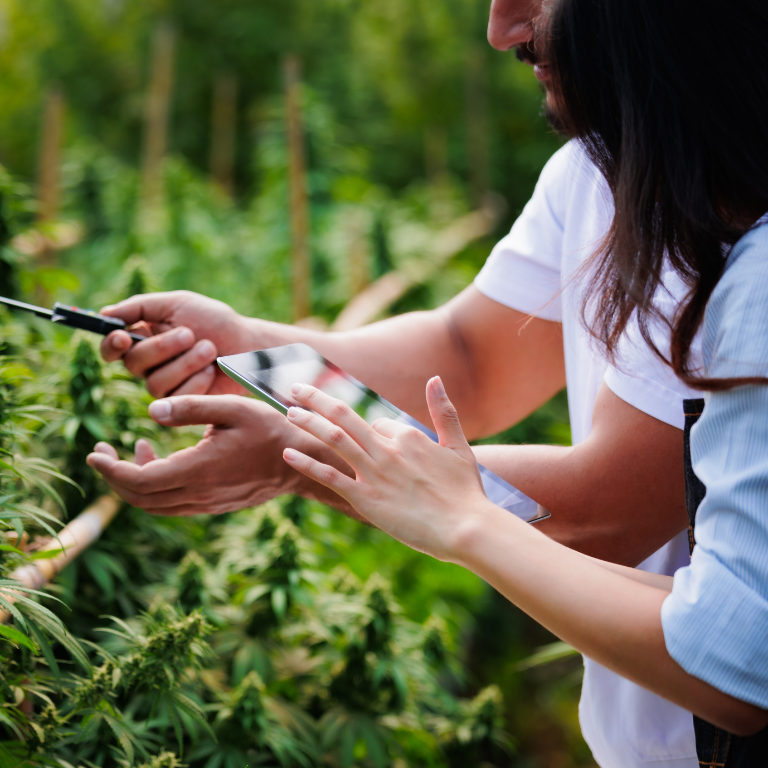
Data collection and analytics are transforming cannabis cultivation into a science-driven process. Sensors, cameras, and software platforms track plant growth, environmental parameters, and resource usage in real time. Analyzing this data helps growers identify trends, optimize inputs, and predict harvest windows. Artificial intelligence and machine learning are beginning to play a role by providing actionable insights and automating adjustments to improve crop outcomes.
Finally, post-harvest handling techniques impact the quality and shelf life of cannabis products. Advanced drying rooms with controlled temperature and humidity prevent mold growth and preserve terpenes. Proper curing in sealed containers further enhances flavor and potency. Commercial growers invest in quality control labs to test cannabinoid content and contaminants, ensuring compliance and consumer safety.
In summary, advanced cannabis cultivation strategies for commercial growers involve leveraging technology, precision controls, and scientific methods to produce high-quality cannabis efficiently. These innovations reduce risks, increase consistency, and boost profitability, positioning growers to thrive in a competitive and rapidly evolving industry. As legalization spreads and consumer demand grows, adopting these practices is essential for commercial success in cannabis cultivation.